

Mugginess
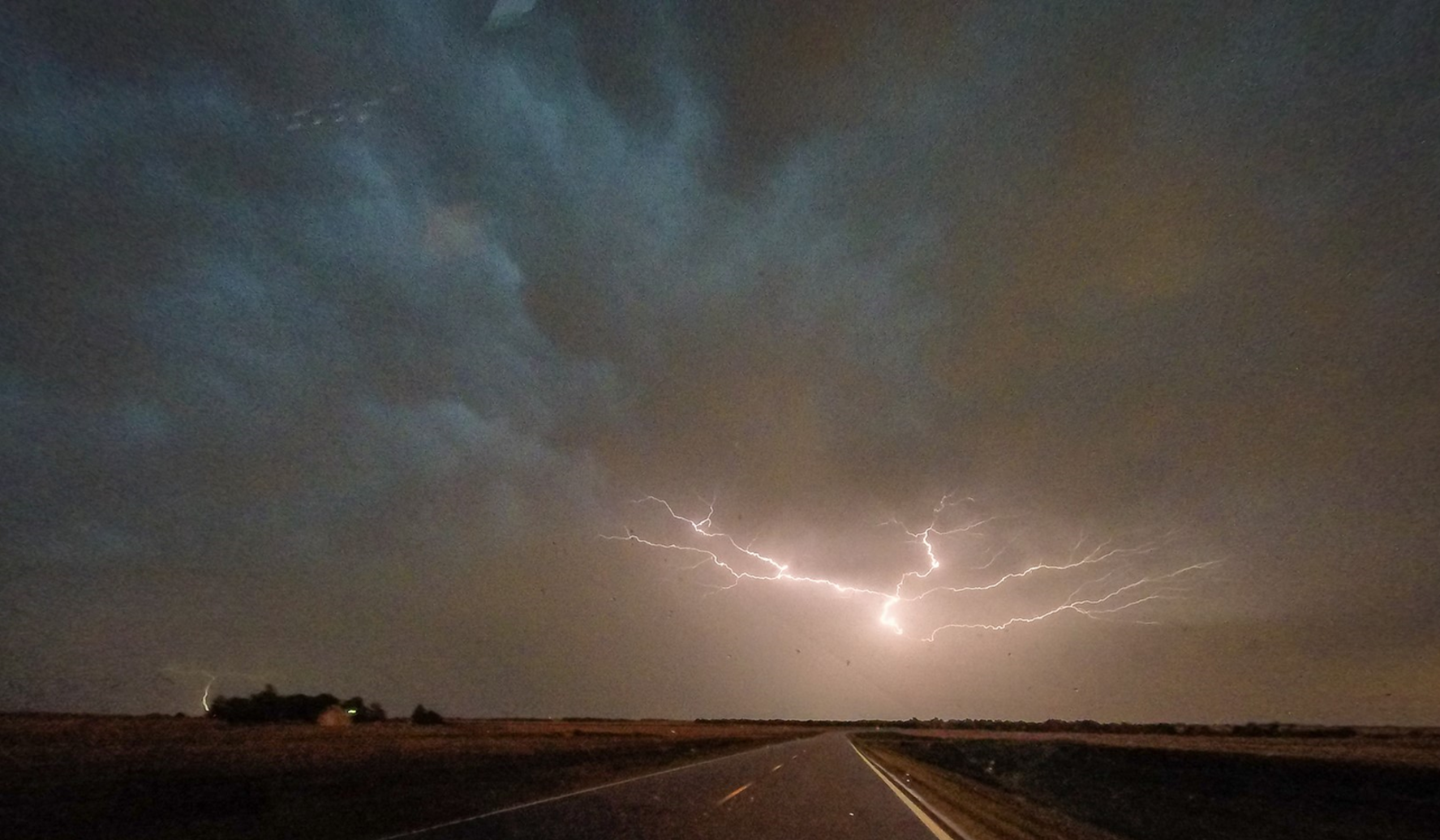
On some warm days in New Zealand, especially when humid subtropical air moves in from the north, the air can feel heavy, sticky, and hard to cool down in. That’s what we call mugginess.
To understand why it feels that way, we need to talk about two things: relative humidity and dew point temperature.
Sea Breezes
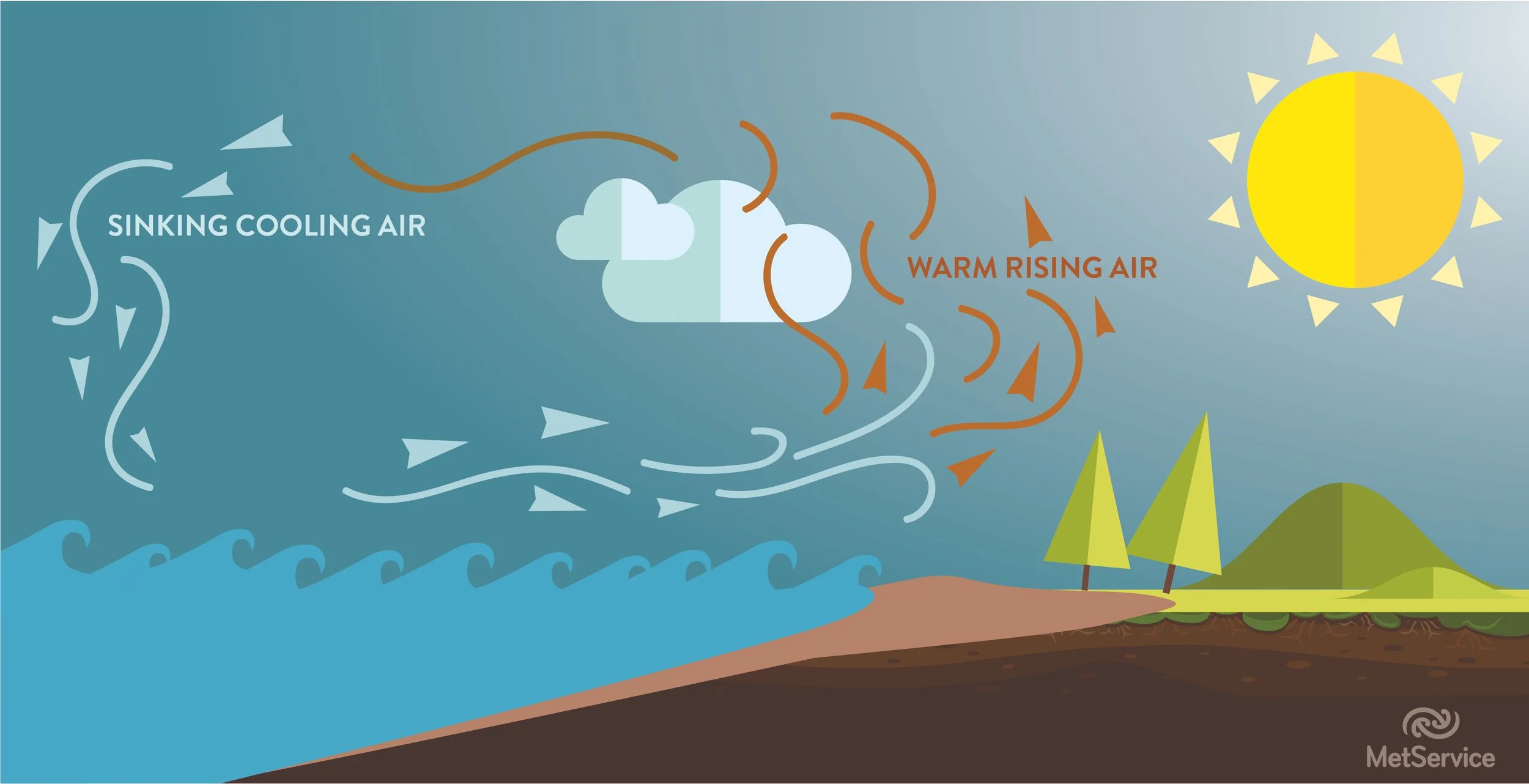
A sea breeze is a cool wind which develops near the coast on an otherwise calm, sunny, warm day. The breeze blows from over the water and on to the land, and usually is strongest in the mid-afternoon.
Foehn Wind
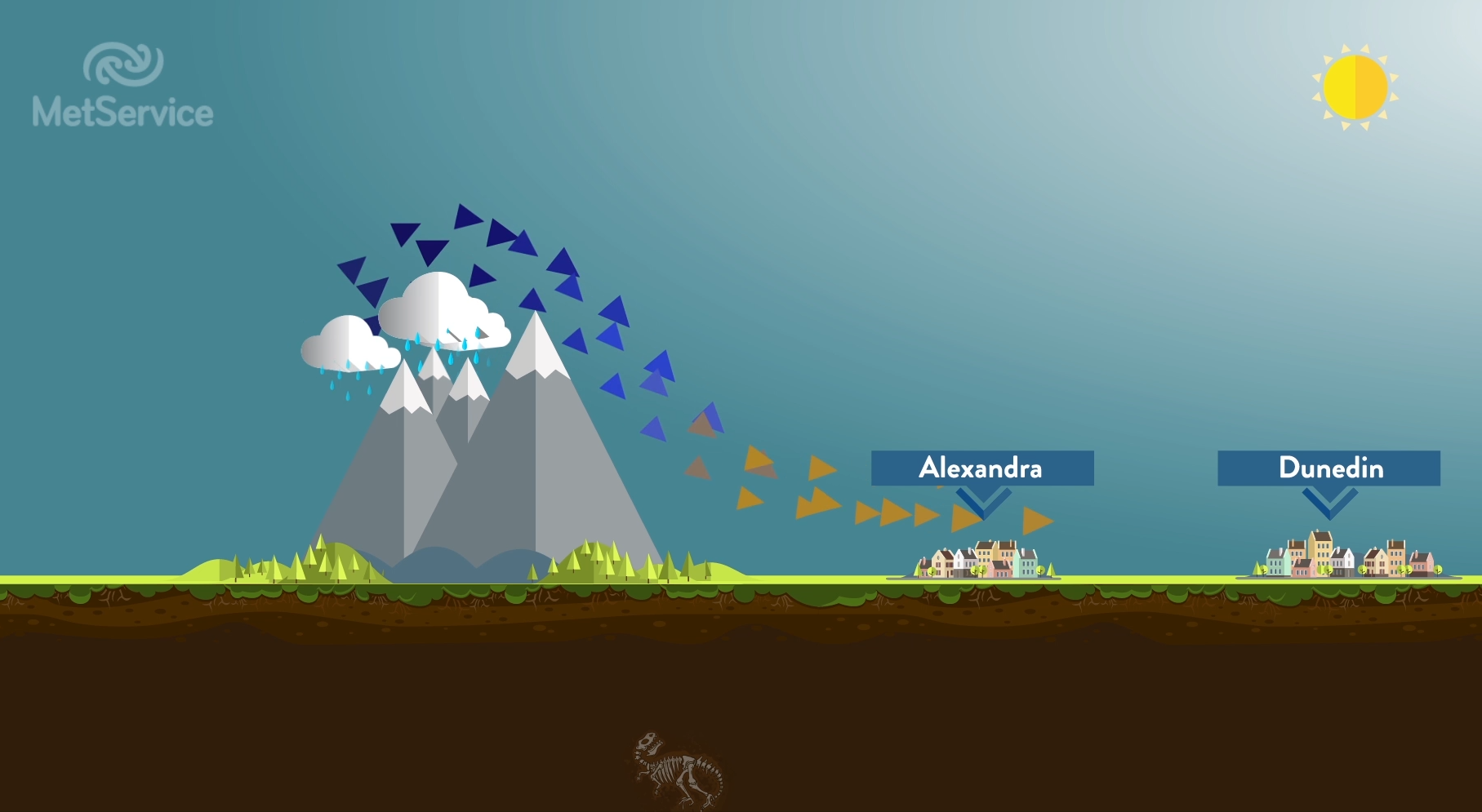
Have you ever wondered why the nation’s warmest temperatures tend to be in Canterbury or Hawke’s Bay? Northland is closest to the equator, so why is that not always the hottest area?
Convergence
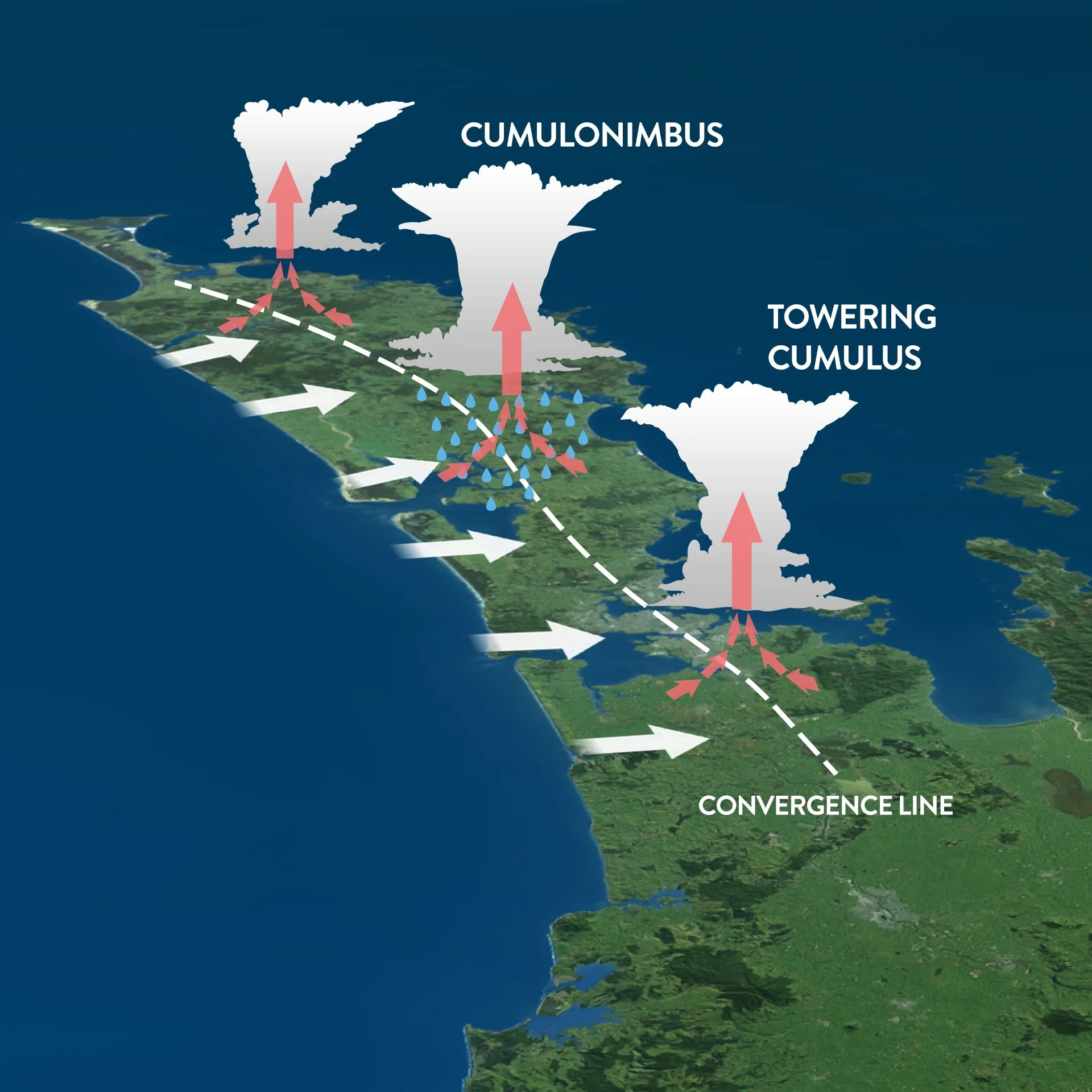
In weather, convergence happens when air flowing from different directions meets. When this air comes together, it has nowhere else to go but upwards. That rising motion of air causes it to cool down, which can lead to clouds and rain. Convergence is a key part of how showers, thunderstorms, and cloudy weather form. It's something meteorologists keep a close eye on, as it helps pick out where active weather, like clouds, showers, storms, and even cyclones, is likely to form.
Thunderstorms
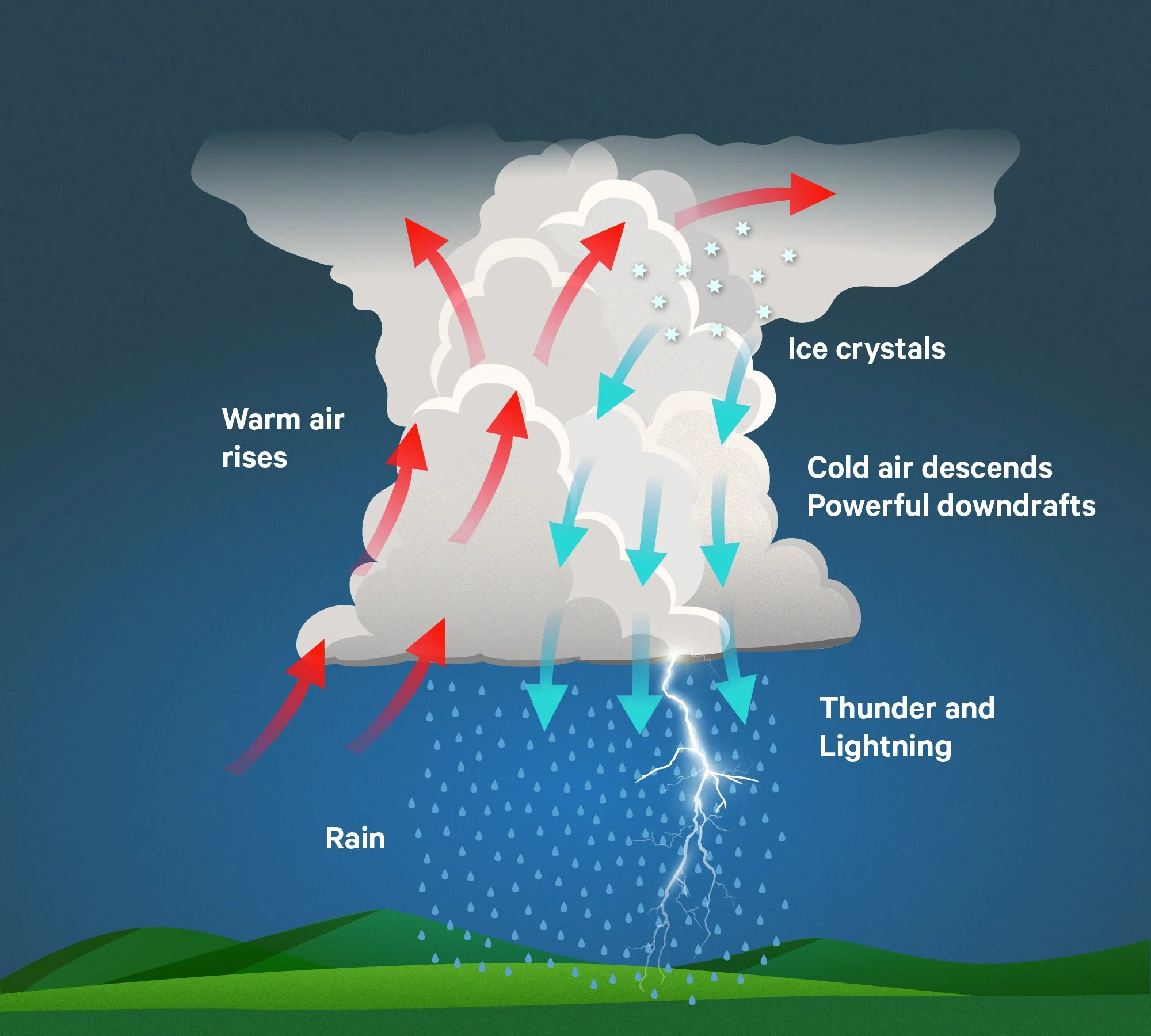
Thunderstorms can be tricky. They need just the right ingredients, a good push to get going, and when they finally show up, they can hit one spot while an area nearby remains untouched. You might be sitting in sunshine while just a few kilometres away, your Aunt Carol is getting hammered by hail from a booming thunderstorm cloud.
So how do they form?
Severe Thunderstorms
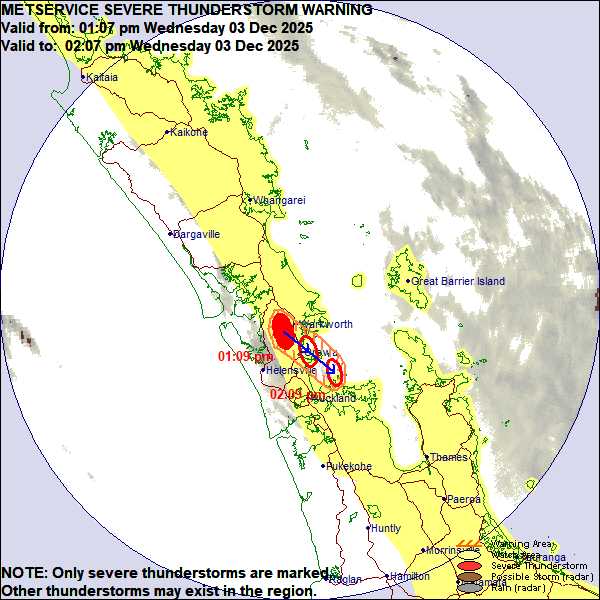
Most of New Zealand’s severe weather comes from large systems like lows and fronts, which can affect wide areas for long periods. But some of our most intense weather, like very heavy rain, large hail, or even damaging winds, can come from something much smaller and shorter-lived: a severe thunderstorm.
Wind Chill
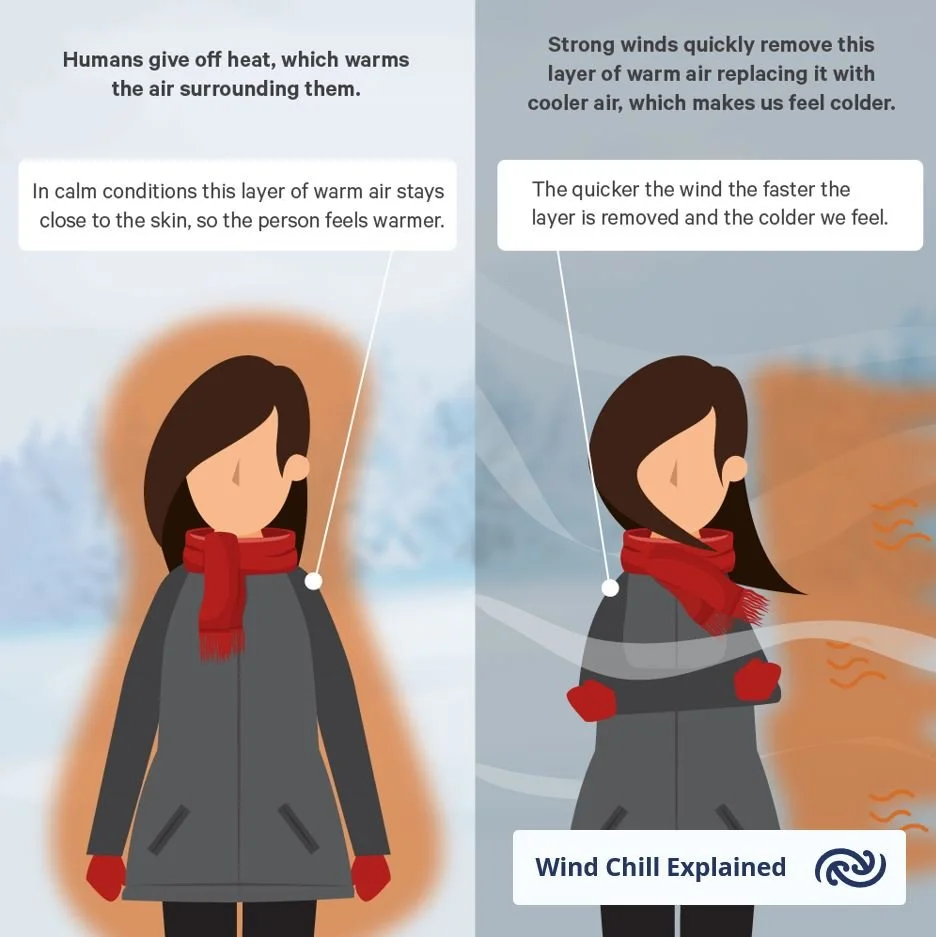
When you’re outside on a cold, breezy day, it often feels colder than the thermometer says. That’s because the wind carries heat away from your skin, speeding up how quickly you cool down. This effect is known as wind chill.